Deco Quilting: A Stylish Addition to Your Craft Fair
First Impressions of Deco Quilting
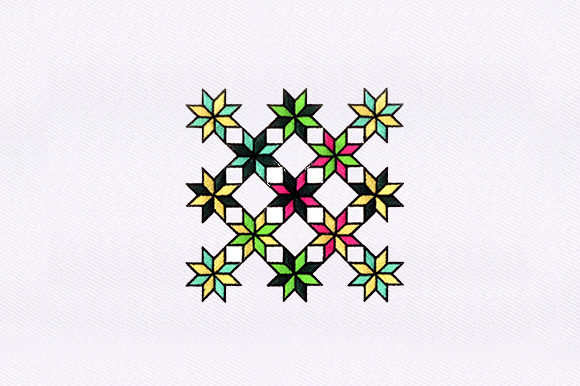
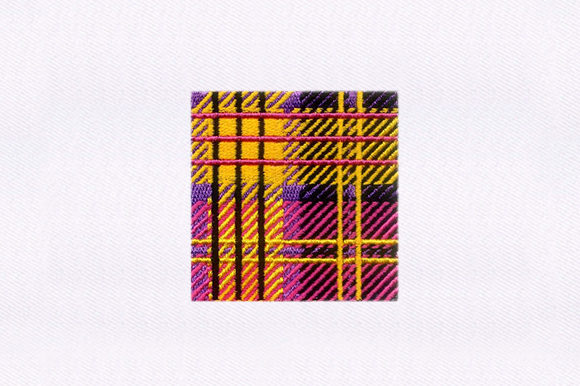
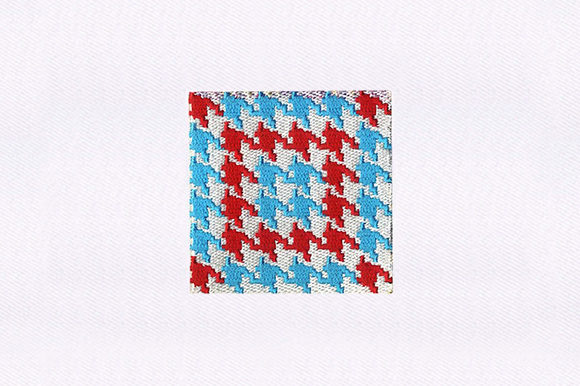
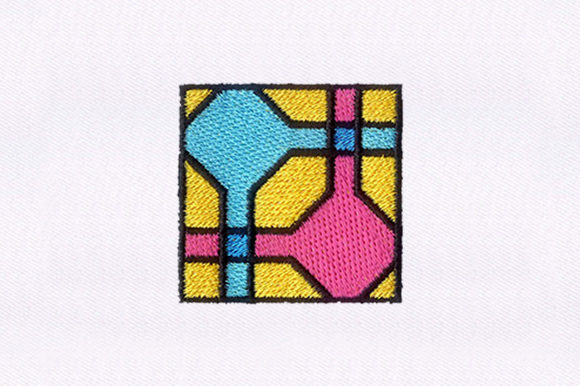
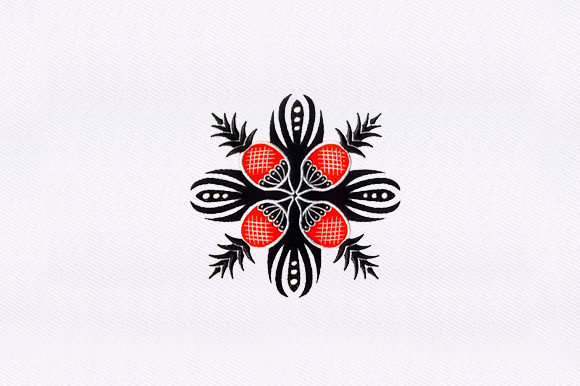
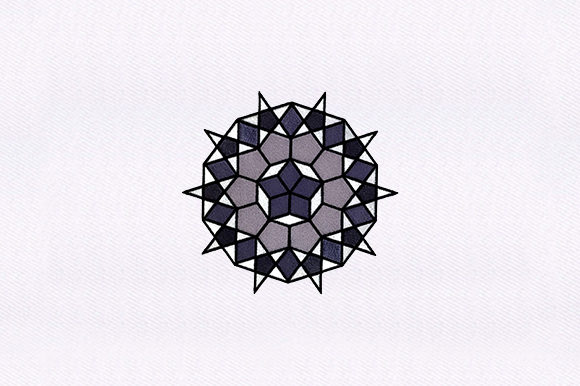
As an experienced embroidery designer, I was immediately drawn to the elegant and decorative nature of Deco Quilting. The design exudes a premium feel, making it a standout choice for high-end handmade products. Its intricate details and sophisticated aesthetic suggest a perfect fit for items that require a touch of class and refinement.
Tote Bags and Aprons
Deco Quilting works exceptionally well on tote bags and aprons. The design's bold yet refined elements make it a focal point, adding significant value to these everyday items. For tote bags, the 4×4 hoop size is ideal, allowing the design to be prominently displayed without overwhelming the fabric. On aprons, the design can be used as a large central feature or as a smaller accent near the pocket, enhancing both functionality and style.
Kitchen Towels and Patches
The elegance of Deco Quilting translates beautifully onto kitchen towels and embroidered patches. The design's intricate details and stitch density make it a perfect choice for adding a touch of luxury to kitchen linens. For patches, the 4×4 hoop size ensures that the design remains clear and detailed, even at smaller sizes. These patches can be used to embellish a variety of items, from jackets to bags, providing a versatile and stylish addition to your product line.
Caps and Fabric Pouches
While Deco Quilting is a bit more challenging to apply to caps due to the curved surface, with careful placement and the right stabilizer, it can still achieve a stunning effect. The design's dense stitch areas and small details may require extra attention to ensure they sit smoothly on the cap. For fabric pouches, Deco Quilting adds a luxurious and decorative touch, making them perfect for gifting or as a high-end accessory.
Pillow Covers and Handmade Gifts
Deco Quilting is a natural fit for pillow covers, especially in the Bedroom category. The design's elegant and decorative elements enhance the visual appeal of pillow covers, making them a standout item in any home decor setting. For handmade gifts, the design's premium feel and intricate details add a special touch, making it a thoughtful and cherished present.
Visibility and Clarity
Deco Quilting is easy to understand at a glance, thanks to its clear and well-defined design. It works equally well as a small accent or a large focal design, making it versatile for various product types. The design photographs beautifully for online listings, capturing the intricate details and stitch quality, which is crucial for Etsy sellers and other digital platforms.
Batch Production and Consistency
One of the key strengths of Deco Quilting is its suitability for batch production. The design's consistent stitch density and well-structured elements make it repeatable, ensuring that each embroidered piece maintains the same high quality. This consistency is essential for maintaining brand integrity and meeting customer expectations, especially for commercial embroidery and small shop products.
Careful-Use Notes
- Dense Stitch Areas: Be mindful of the dense stitch areas, as they can cause puckering if not properly stabilized. Use a high-quality stabilizer to ensure the design sits smoothly on the fabric.
- Tiny Details and Small Lettering: If the design includes tiny details or small lettering, test it on scrap fabric first to ensure clarity and readability, especially on textured towels and dark fabrics.
- Curved Surfaces: When applying Deco Quilting to caps or other curved surfaces, use a specialized stabilizer and take extra care to avoid distortion.
Enhancing Visual Appeal and Customer Engagement
Deco Quilting significantly enhances the visual appeal of your craft fair products. Its elegant and decorative nature draws the eye, making it a strong focal point for your booth display. The design's premium feel and intricate details add value to your handmade products, making them more attractive to customers. By incorporating Deco Quilting into your product line, you can create a cohesive and visually appealing display that engages buyers and drives sales.
Embroidery Designer Tips
- Test on Scrap Fabric: Before starting your project, test Deco Quilting on scrap fabric to ensure the design meets your expectations and to make any necessary adjustments.
- Check Thread Contrast: Experiment with different thread colors to find the best contrast for your chosen fabric. This will help the design stand out and look its best.
- Review Spacing and Placement: Carefully review the spacing and placement of the design on your fabric. Ensure it is centered and aligned correctly, especially for larger items like tote bags and aprons.
- Confirm Hoop Size and Stabilizer: Double-check the 4×4 hoop size and use the appropriate stabilizer for your fabric type. This will help prevent issues like puckering and distortion.
- Create Real Mockups: Create at least one real mockup of your finished product. This will give you a better idea of how the design looks in person and allow you to make any final adjustments.
- Compare Fabric Colors: Consider the color of your fabric when choosing thread colors. Lighter fabrics may require darker threads for better visibility, while darker fabrics may benefit from lighter or contrasting threads.
- Confirm Commercial Licensing: Before selling your finished products, confirm the commercial licensing terms for the Deco Quilting embroidery file. This will ensure you are compliant and can sell your products without any legal issues.
By following these tips and carefully considering the practical aspects of Deco Quilting, you can create a range of high-quality, visually appealing, and commercially successful embroidered products for your craft fair and handmade market. Happy embroidering!